Optimized workflow with an automatic water purification filter system
Advanced, patented water treatment system.
Washes up to 5000 wheels without changing the water.
Filters up to 97% of residual particles.
The efficiency and the through-flow in the shop is improved and the water purification handling is made easier.
The GP Filter eQ water purification method fulfills authority demands for a proper waste water treatment.*
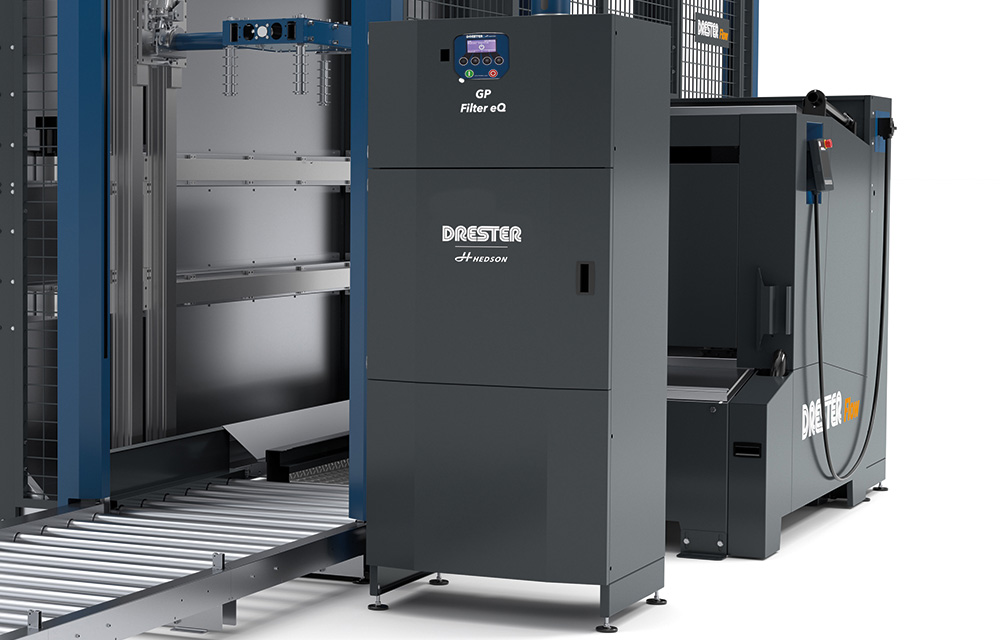
The Drester GP Filter eQ filtration unit can be placed up to 10 m distance from a Drester wheel washer.
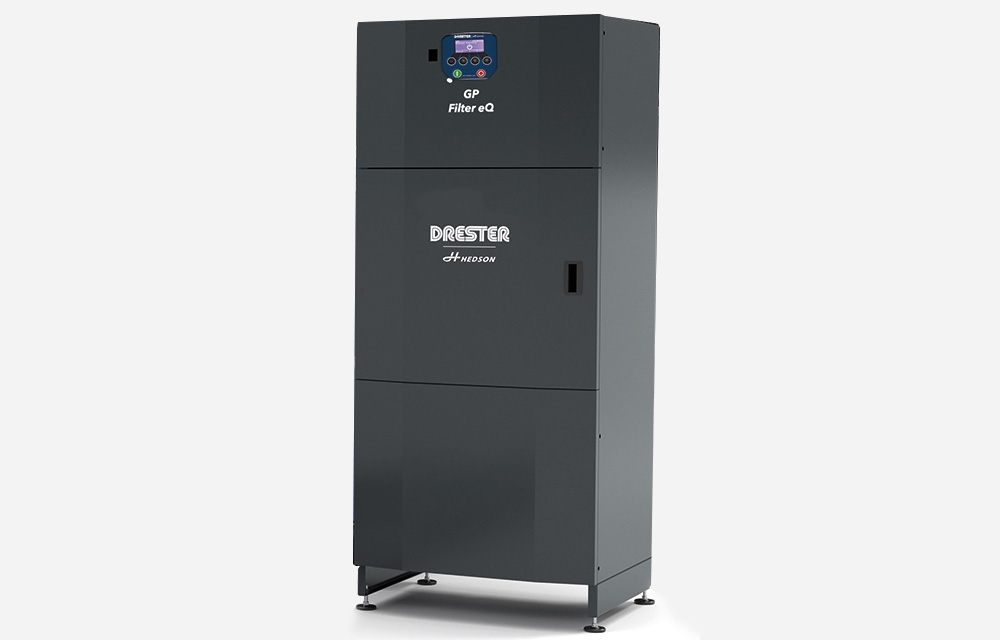
There are different solutions for letting out/ pumping out the purified water into the drain. This means that the placing of the units doesn’t depend on where the drain is located.
Fully automated and integrated water purification unit
Improved efficiency in the shop
Low water consumption, up to 50%
User friendly, cost effective and space efficient
* Allowable water contamination levels varies in different countries/regions. Check with local authorities.
Drester GP Filter eQ
Product information
Fully automated and integrated water purification unit
Cleans the wheel washers water
Reduces the need to change water in the wheel washer
Low water consumption
User friendly, cost effective and space efficient
Compatible with the Drester GP10/12/24** and Drester Flow
**The accessory QuickRinse is needed on the wheel washer.
The GP Filter eQ is a filter system that works together with your wheel washer. It automatically cleans the waste water while the workshop continues working – meaning less time managing the washing process and more time actually washing wheels.
This outstanding tool is designed for businesses that use wheel washing equipment regularly and want a more efficient, cleaner, and less interrupted workflow.
Best suited for:
Automotive workshops & tyre shops
Car dealerships and service centres
Fleet operators
Motorsport and performance workshops
Wheel refurbishment and detailing businesses
So how does it work?
Drester GP Filter eQ is an automatic water purification system designed to work with Drester GP and W-750 wheel washers.
The dirty water from the wheel washer is automatically suctioned and treated with a flocculation powder before passing through a filter. This process captures heavy metals, plastic particles, fibres and other contaminants.
Once the water is purified it is led or pumped to a drain or container. The collected waste then remains in an easy-to-change filter bag.
The system is fully integrated with the wheel washer and made to help workshops reduce water changes, maintenance and downtime.
Depending on usage and water quality, up to approximately 5.000 wheels can be washed before the water needs to be changed, with water consumption of only around 1–1,5 litres per wheel.
The result is a cleaner, more efficient wheel washing process with less interruptions.
What about the environment?
Drester GP Filter eQ helps workshops reduce their environmental impact in mainly two ways:
Using less water. Water consumption is low, at approximately 1–1,5 litres per washed wheel, and the system can allow up to approximately 5.000 wheels to be washed before the wheel washer water needs to be changed – depending on usage and water quality.
Improving the handling of contaminated waste water. The filtration process captures heavy metals, plastic particles, fibres and other contaminants before the purified water is discharged or collected.
Subscribe to our Newsletter and we´ll make sure you´re always up to date with our educational resources, product updates, events, stories, inspirational videos and other content.
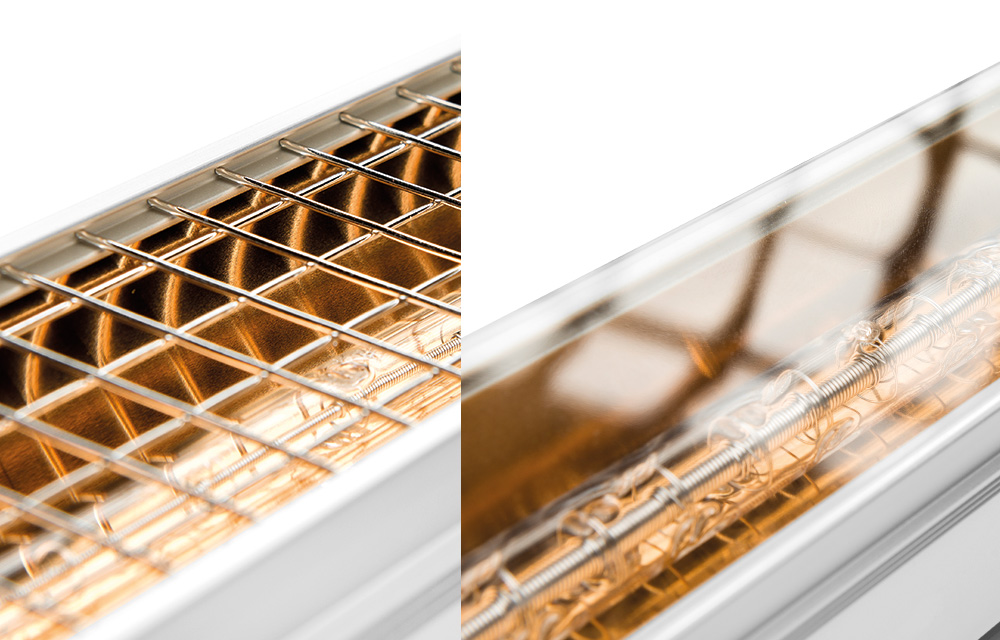
The appropriate protection option depends on the operating environment of the SingleHeaters.
For dusty or contaminated production environments, glass protection is recommended to maintain performance and maximize lamp lifetime — up to 20,000 operating hours.
In cleaner environments, net/mesh protection is often sufficient and offers a more cost-effective solution.
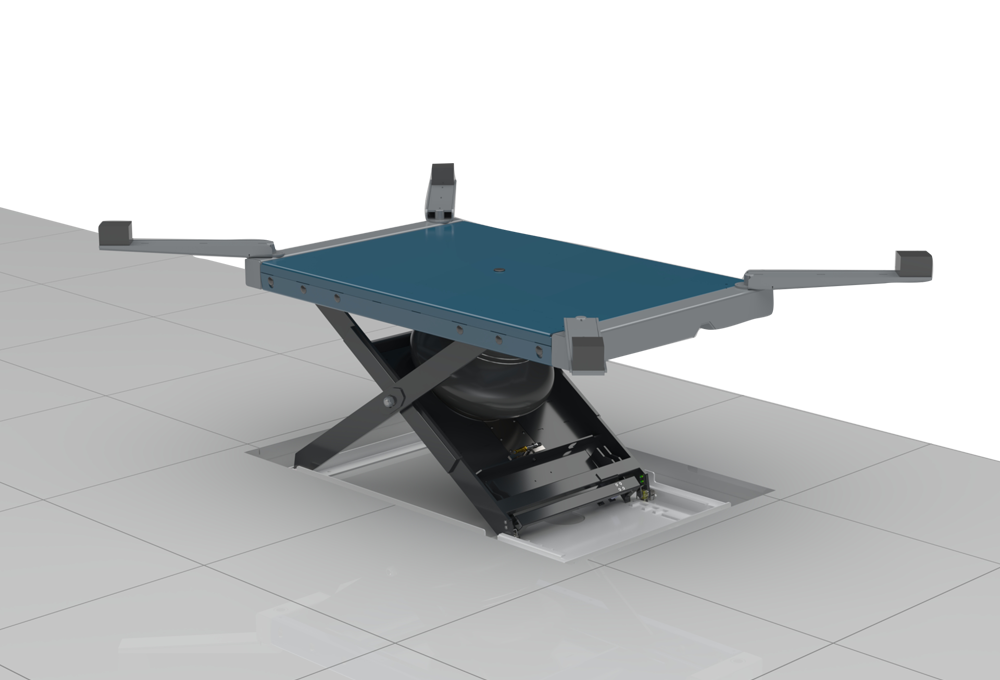
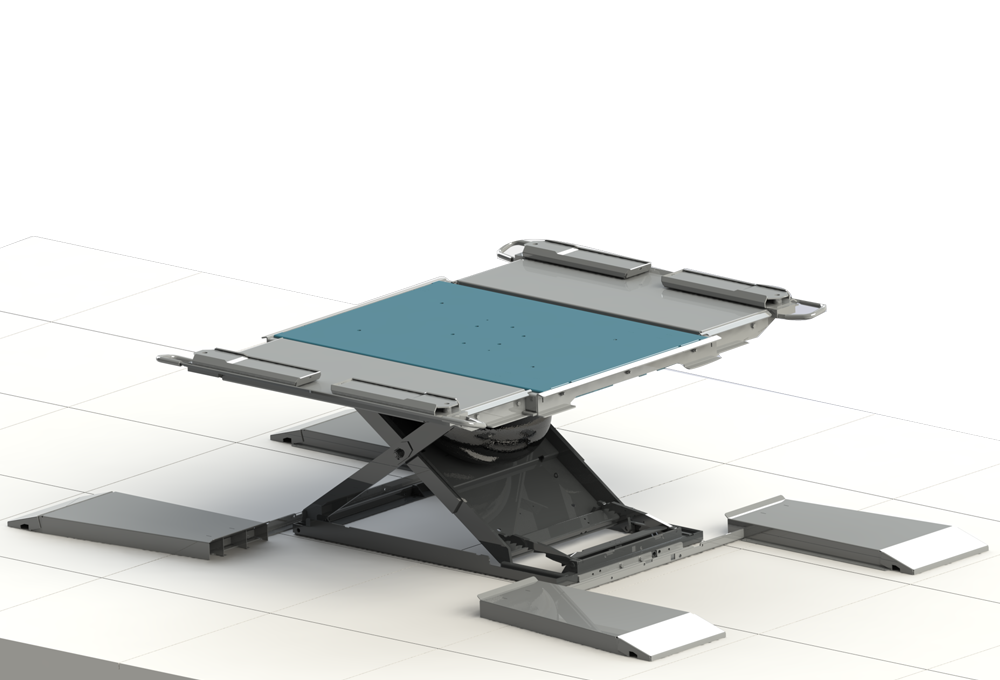
QuickLift is an option on Drester wheel washers GP12 and GP10 to help get the wheel lifted into washing position in an ergonomic way. Just roll the wheel onto the cradle and it will automatically be positioned by the wheel washer entry point. From here, it just needs a little push in to start the wash cycle.
Look for the "Configure" button on the Product page to choose a wheel washer with QuickLift factory-installed (recommended). To retrofit, find the QuickLift as an Add-on Accessory further down on the Product page (art no 230315).
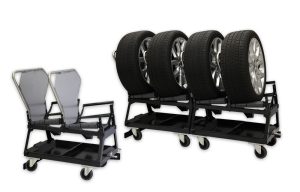
Drester GP24 comes with two trolleys (1 trolley = 2 wheels). The trolleys can be docked together and also docked to the wheel washer, for completely automated wheel washing.
We recommend up to four trolleys for a smooth process. There are optional article numbers for a GP24 with two trolleys (always included) or four trolleys. Use the Configure-function to choose your model.
More trolleys can of course be ordered separately and also be used for general handling/logistics (art nr 230556).
The Water Cleaning Kit is already included in some wheel washers. Use the "Configure"-button on the product page to find a version where WCT is included. You can also order this as an Accessory/Consumable in Add-ons, further down on the page (art no 230375).
The waste water treatment process developed by Drester uses an advanced flocculation powder that binds to dirt and heavy metal residuals, creating flocks or clumps. The flocks are easily filtered out from the water allowing the water to be cleaned to meet local environmental regulations. The sludge and debris collected in the filters is hazardous waste and should be disposed of using a specialist waste collection service.
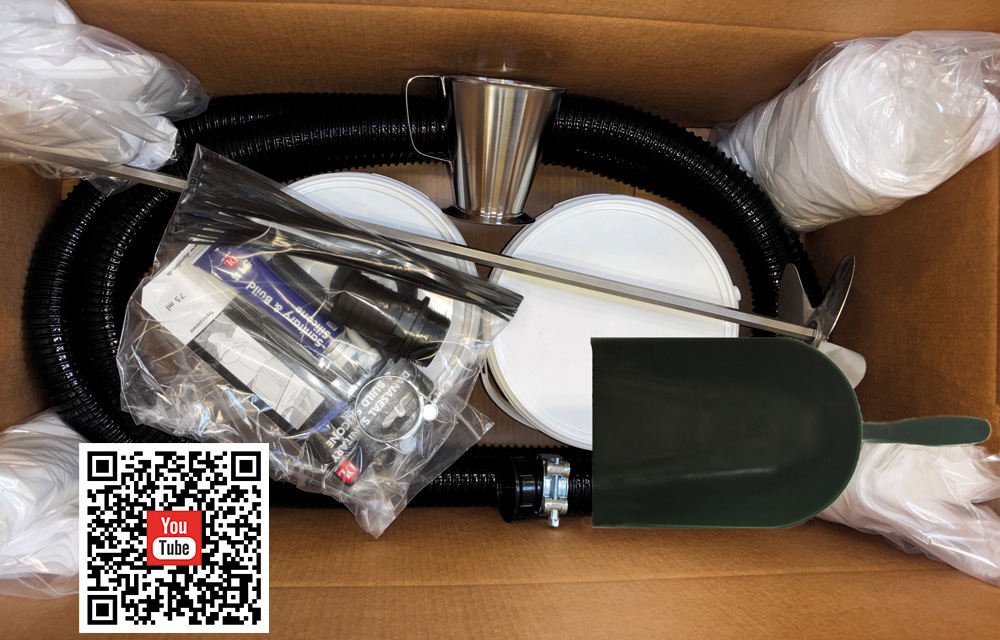
Drester Water Start Kit (232580)
10 m extension hose with couplings for easy drainage of flocculated water 12038
Long-shaft propeller for mixing with a hand drill (hand drill not included) 232585
2 x 5 kg flocculation powder R12076 (1 pcs)
20 filter bags for the drain hose 12038 (5 pcs)
0.5-liter measuring cup 12052
Cable ties for the hose filter 2994 (20 pcs)
Scooper for easy emptying of sludge residue 232579
1 - Collect the granulates (use the icon button above) 2 - Attach a long drain hose if needed. Leave the hose in a high position so that water does not escape. 3 - Attach a filter to the drain hose end. Place the hose by the drain. 4 - Add 1 cup of flocculant and mix well for at least 5 minutes. 5 - Leave to rest and see the water clearing up. 6 - LOWER the drain pipe and allow water to drain. 7. - Scoop up waste sludge. Dispose of in accordance with local regulations.
Drester Easy Water Kit (232581)
1 x 5 kg flocculation powder R12076
10 bag filters 12038 (5 pcs) including cable ties 2994 (20 pcs)
https://youtube.com/shorts/v-ARIX2wb4Q
By adding incoming water connection to your wheel washer, Drester Clean rinse system can be installed, adding a small but sufficient amount of water to each cleaning cycle (0.3 litre/wheel). This is used for a final clean rinse of the wheel.
The same amount of wastewater is then filtered and disposed through the drain or into a dispenser placed beside the wheel washer.
The Clean rinse system is automatically installed on all the GP24 models. It is available as factory installed on some of the GP10/12 models and as an optional kit that can be installed on GP10/12 machines that don’t have it. Use the "Configure"-button on the product page to choose your version.
To order as an accessory, go to Add-ons further down on the Product page and look for 230357 Clean rinse.
NOTE: By adding a Drester GP Filter eQ filtration unit to your GP24/12/10 wheel washer, you can wash up to 5000 wheels without a water change. (The Clean rinse must be installed on the wheel washer to combine it with the filtration unit.)
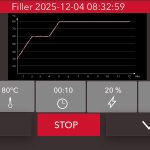
Some IRT infrared dryers feature built-in temperature control with preprogrammed curing recipes.
Rather than simply heating the surface to a target temperature, the system follows a complete curing profile. For example, it can gradually increase the temperature over a defined period, maintain it for a specified time, and then continue to a higher target temperature if required.
Multi-stage curing profiles are particularly beneficial for thicker materials or more demanding repairs, such as A-pillars and other structural areas.
To simplify operation, several proven curing recipes are supplied as standard. Users can also modify existing recipes or create their own to suit specific paint systems, materials, or repair processes.
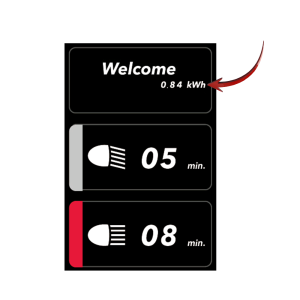
Energy-use displayed after each cycle:
(A complete drying cycle, as in this example, consumes just 0.84 kWh of electricity – a fraction of the energy required to heat an entire spray booth.)
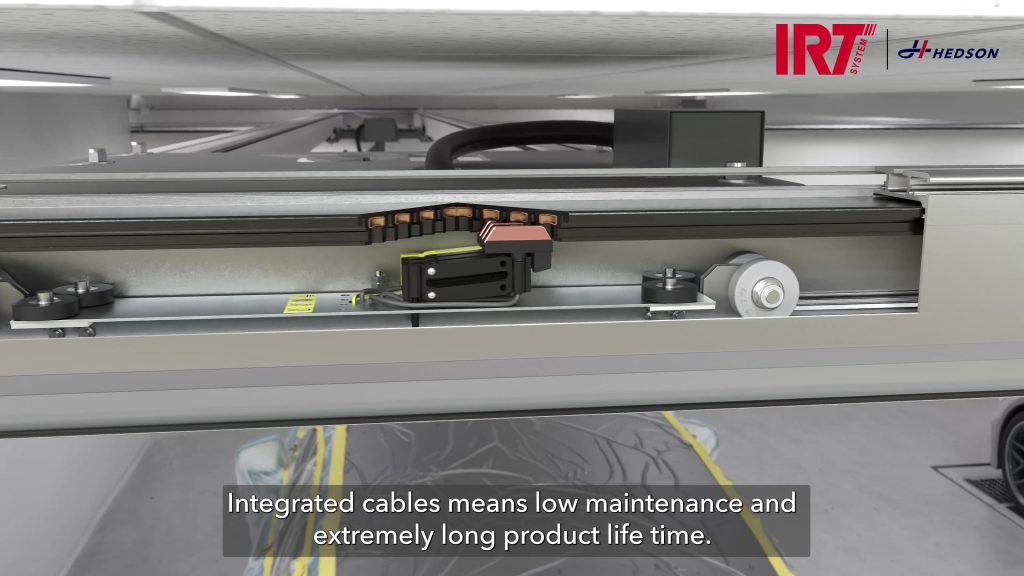
IRT Rail Systems maximize workspace by keeping the dryer overhead and ready for use. The self-balanced dryer arm provides effortless, precise positioning, while integrated cable management improves safety and keeps cables protected. This significantly extends cable service life, minimizes maintenance, and ensures reliable operation year after year.